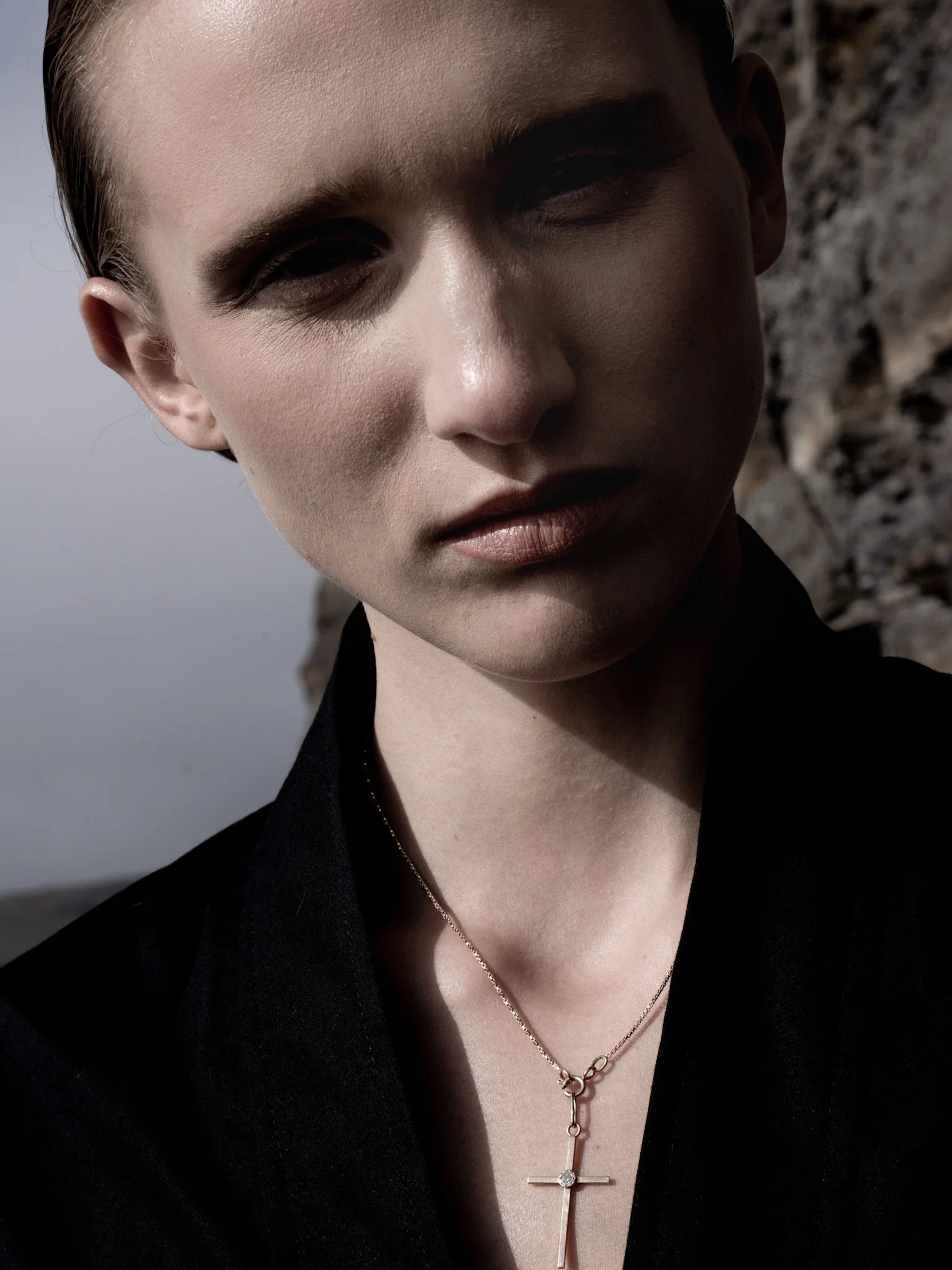
What remains where we stand..
The land is ancient and indifferent.
The sea does not ask who they are.
Rock holds its memory. Water erases it.
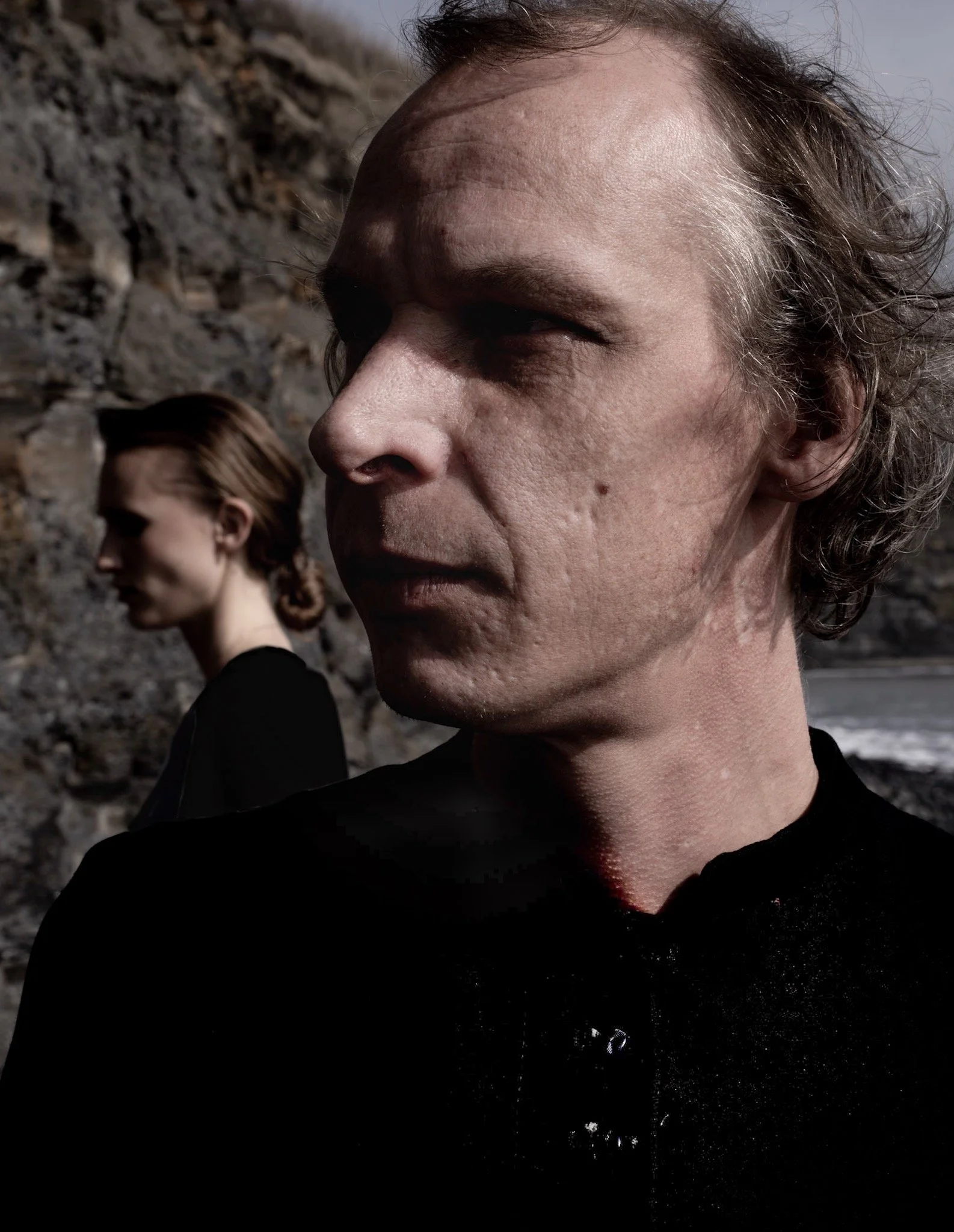
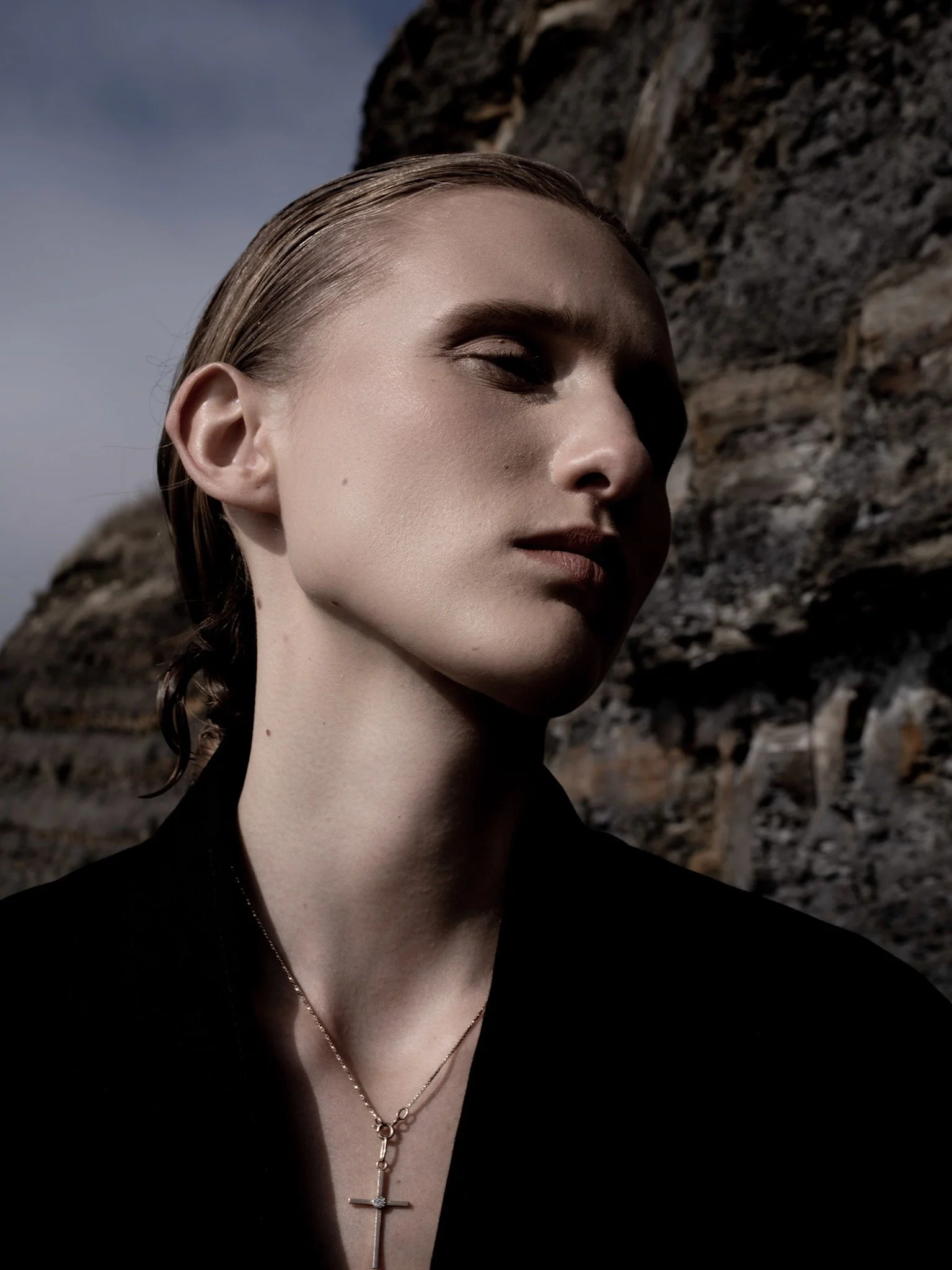
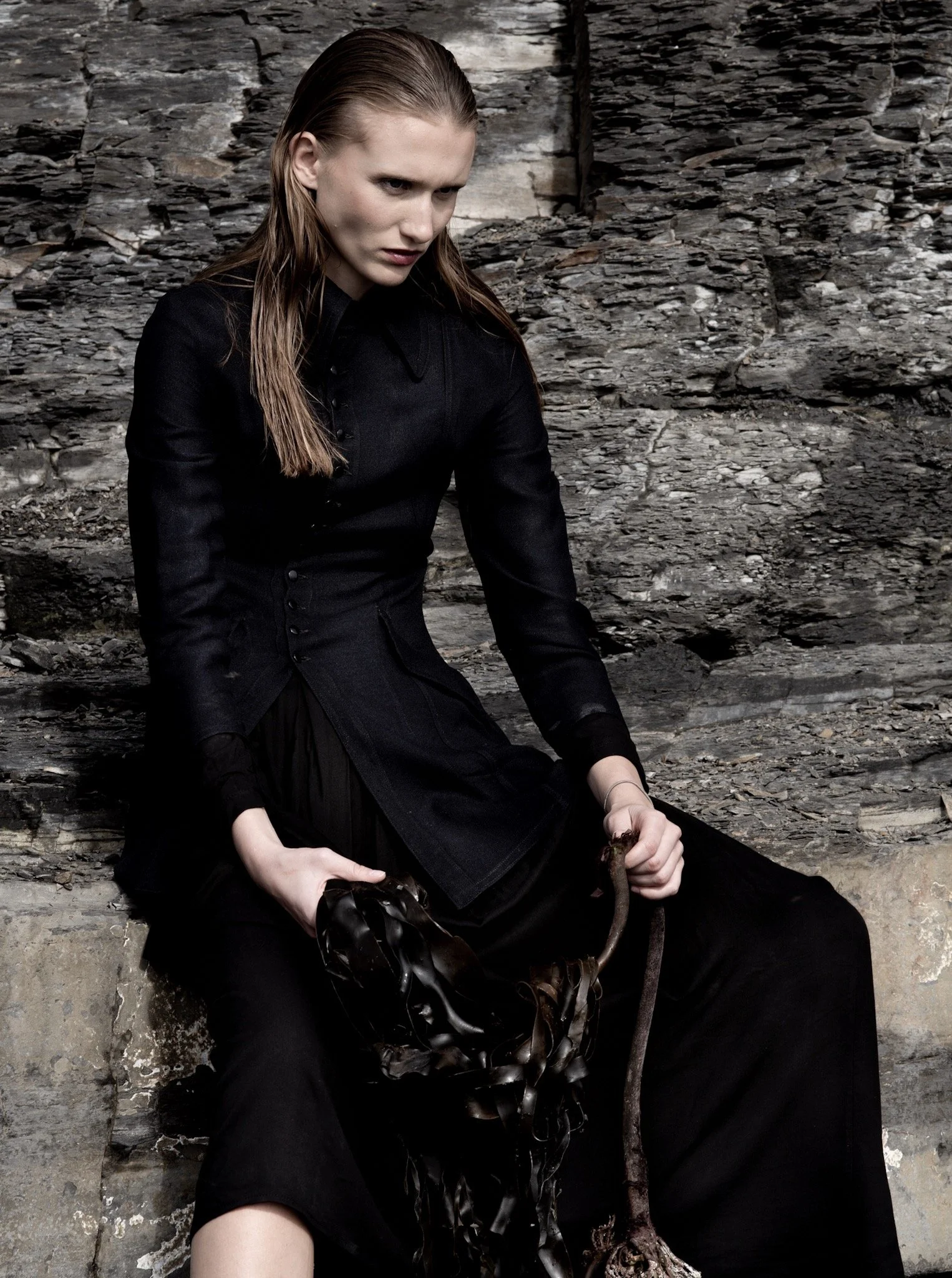
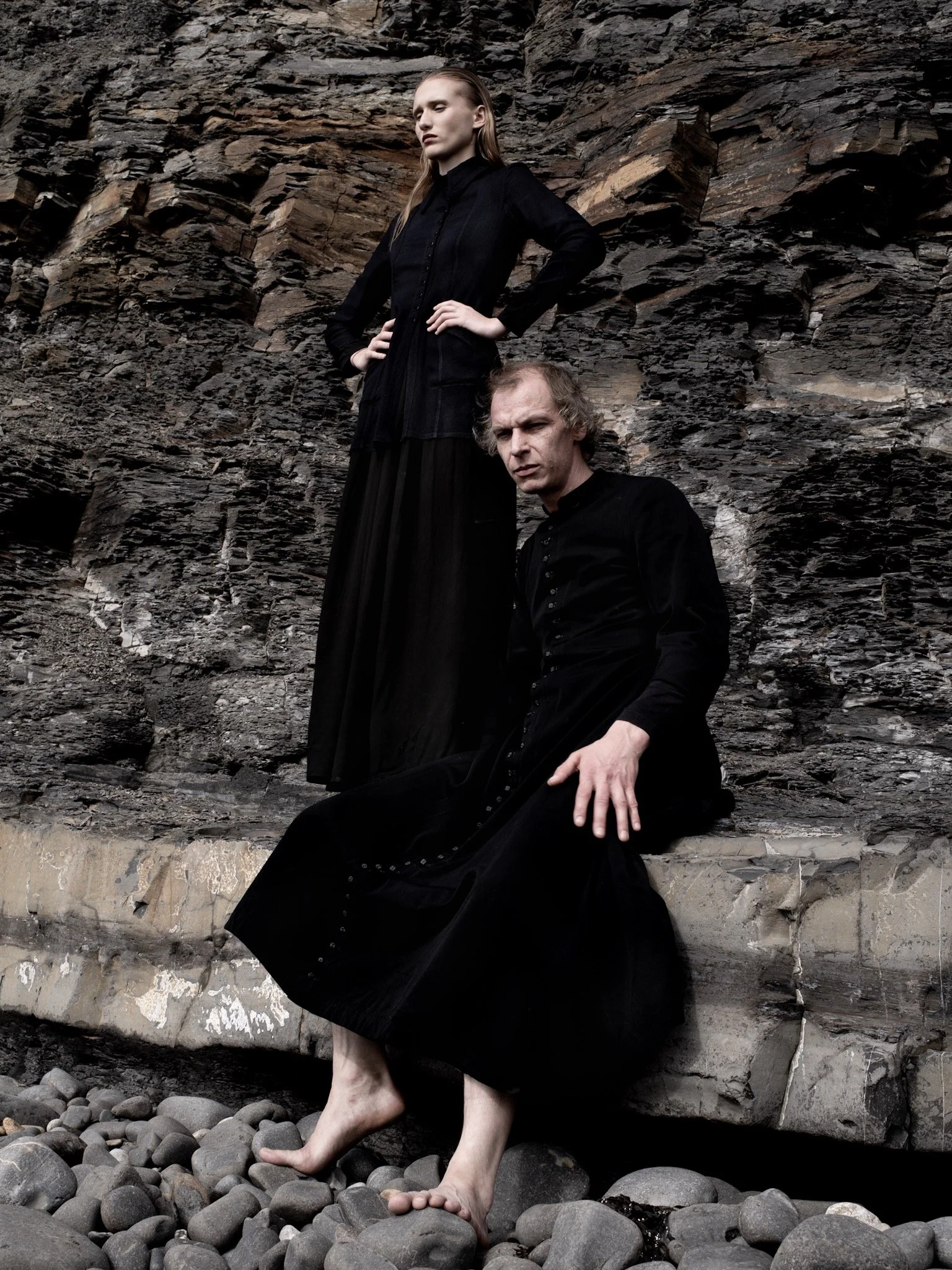
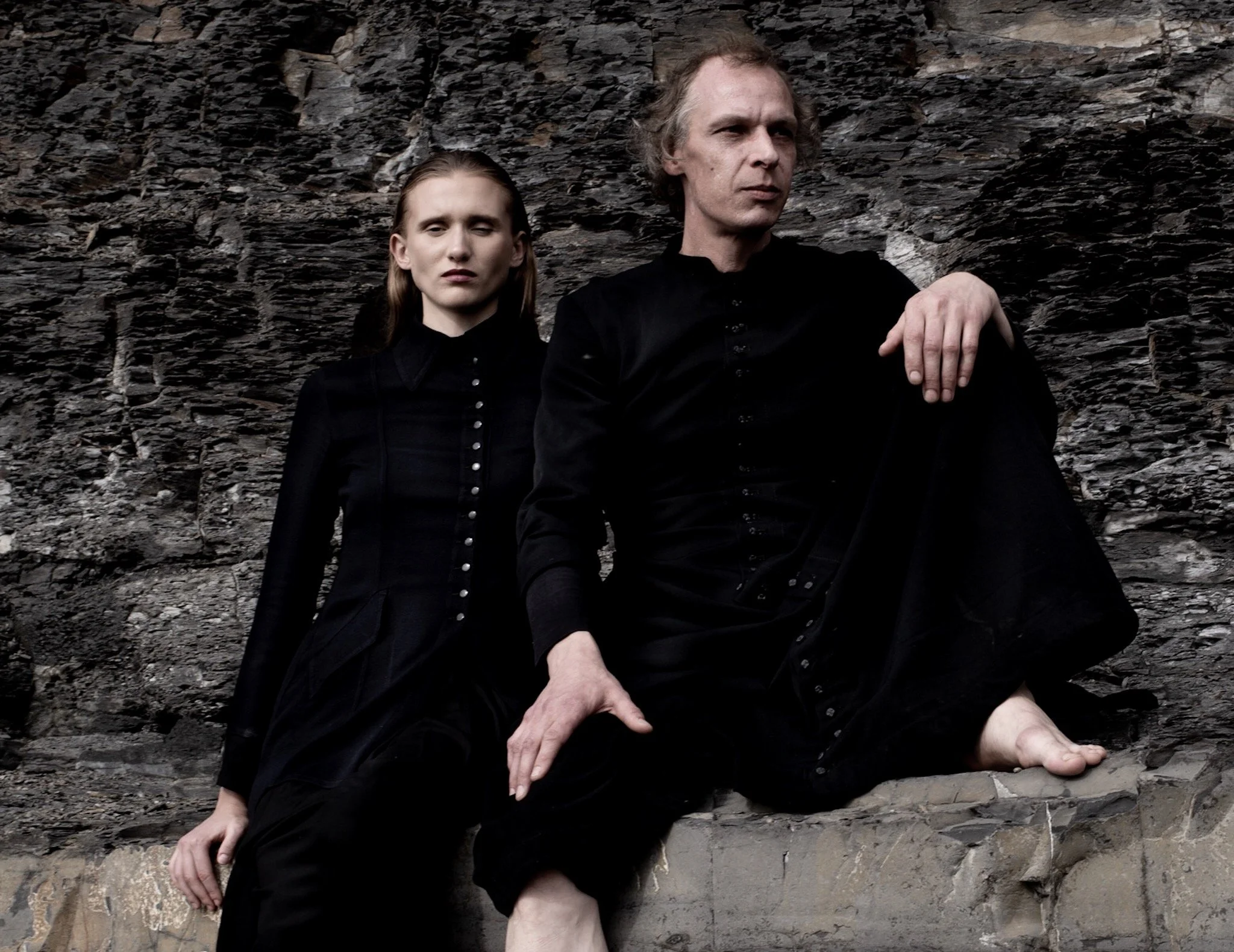
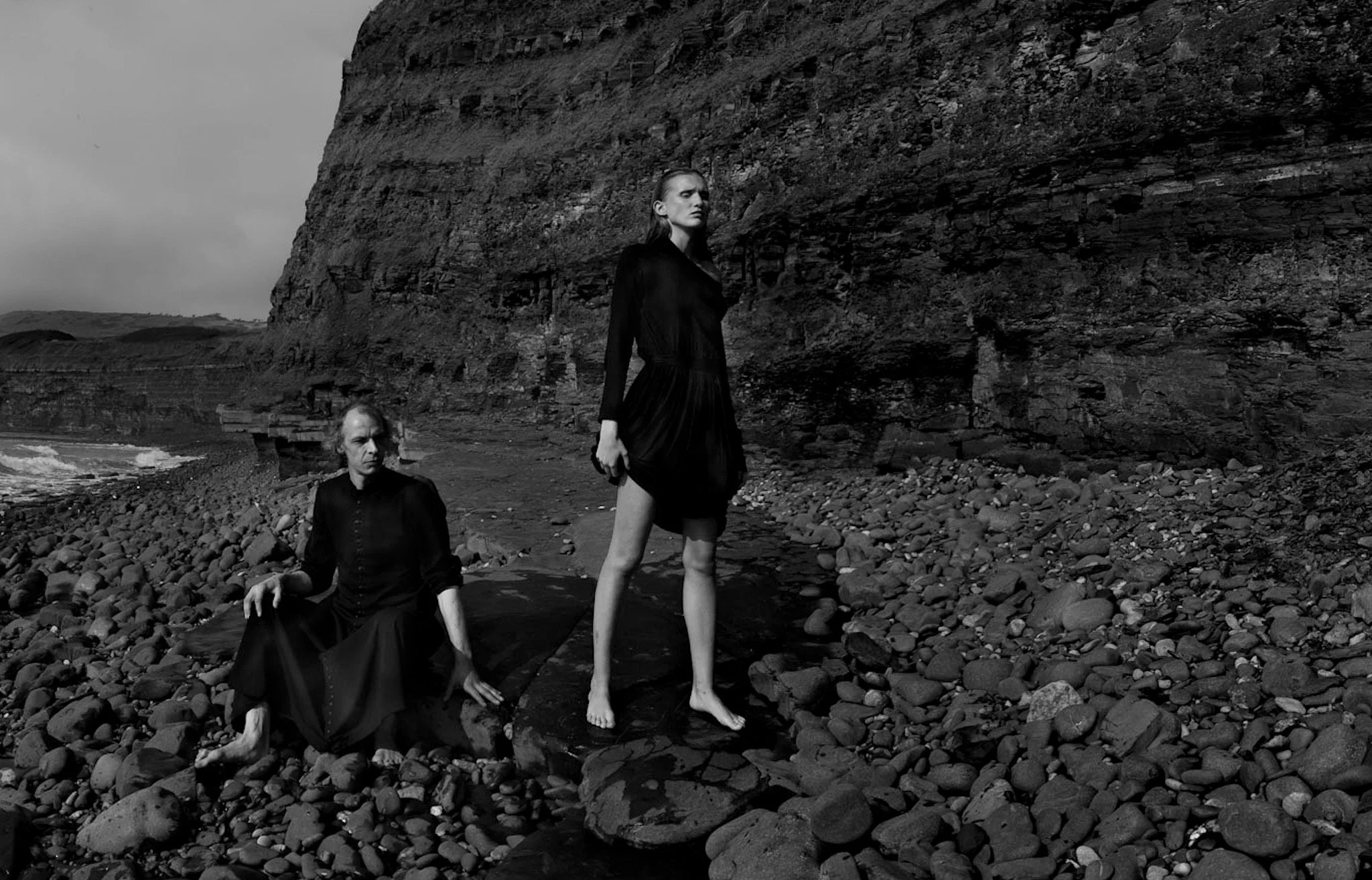
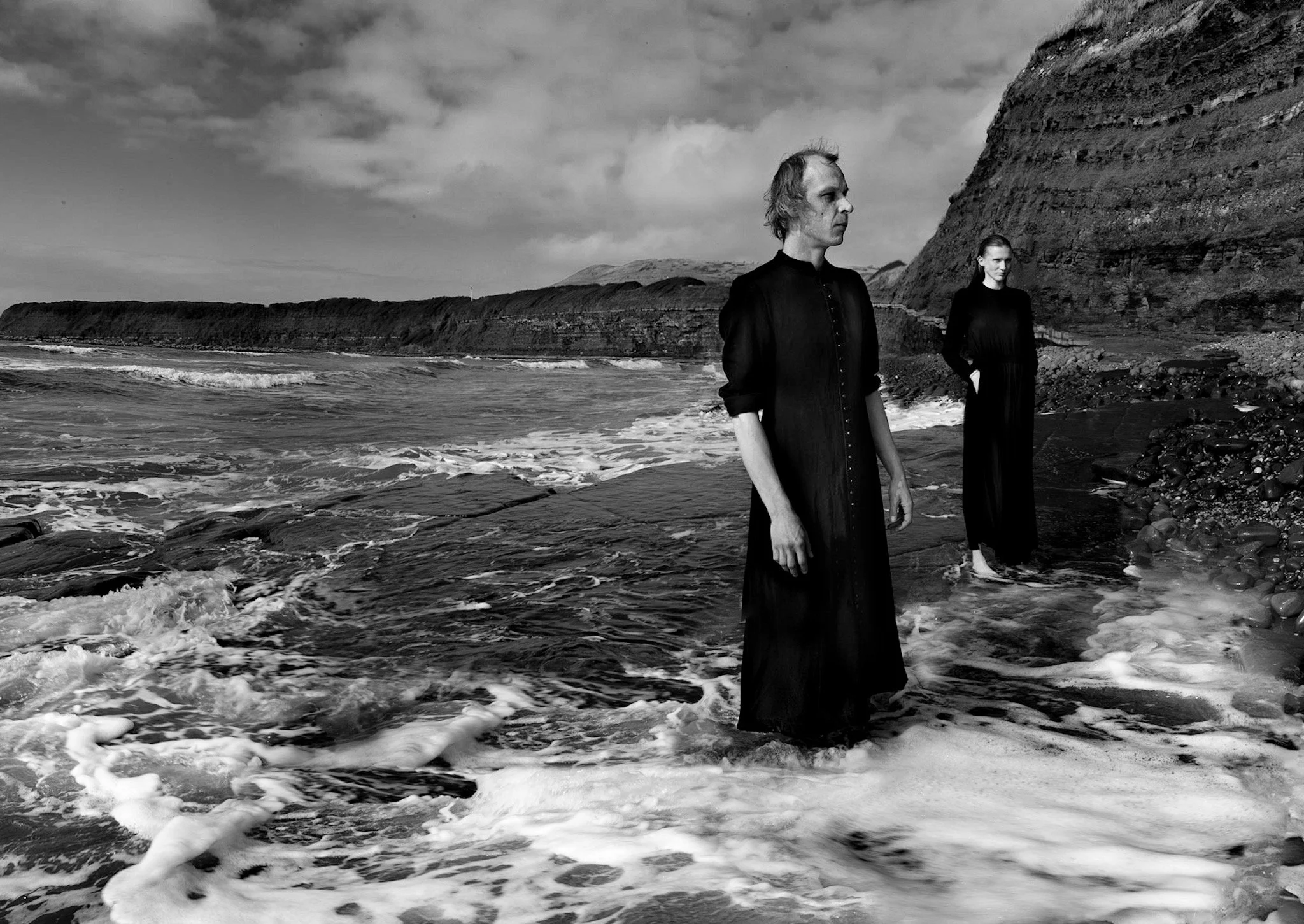
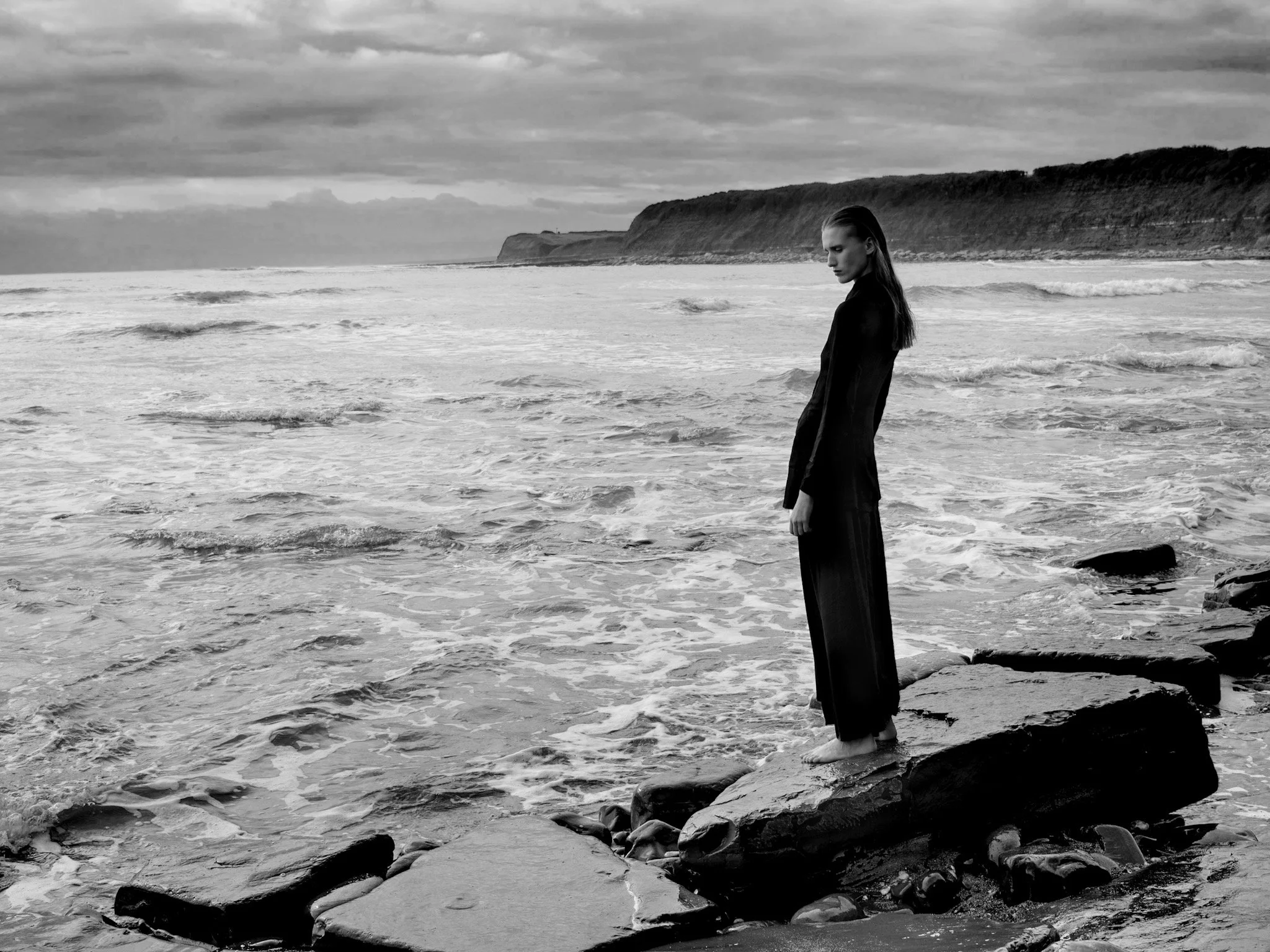
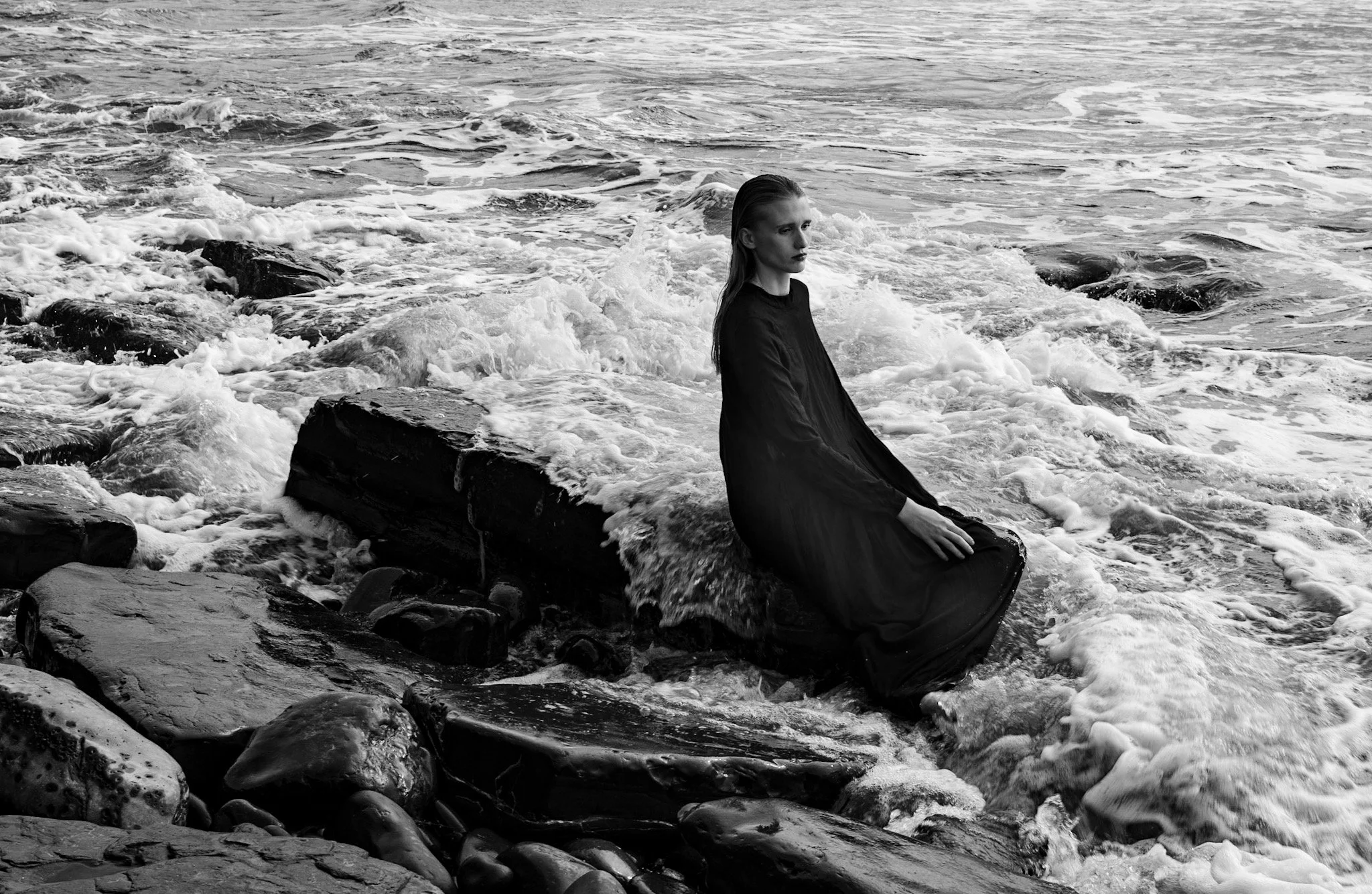
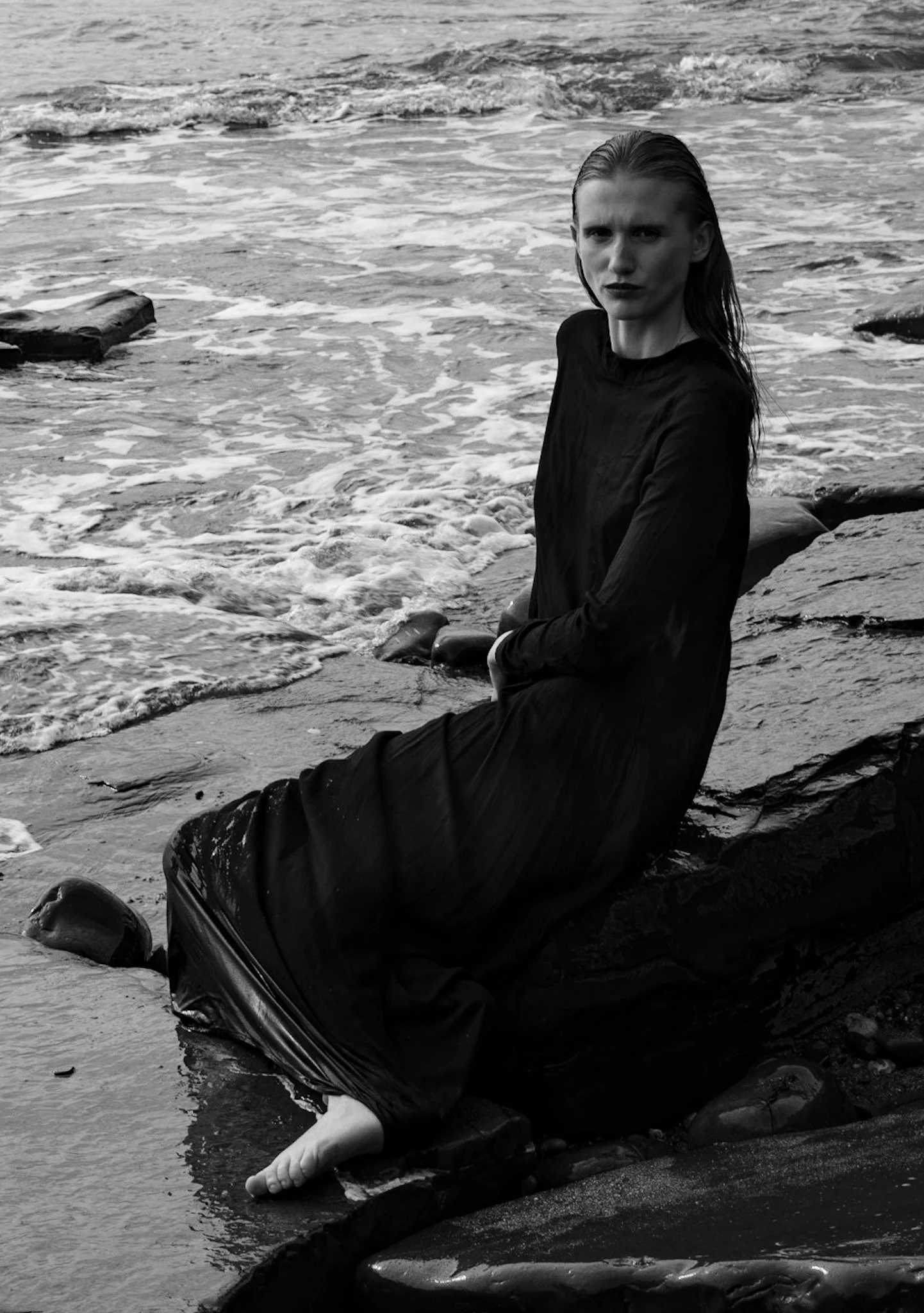
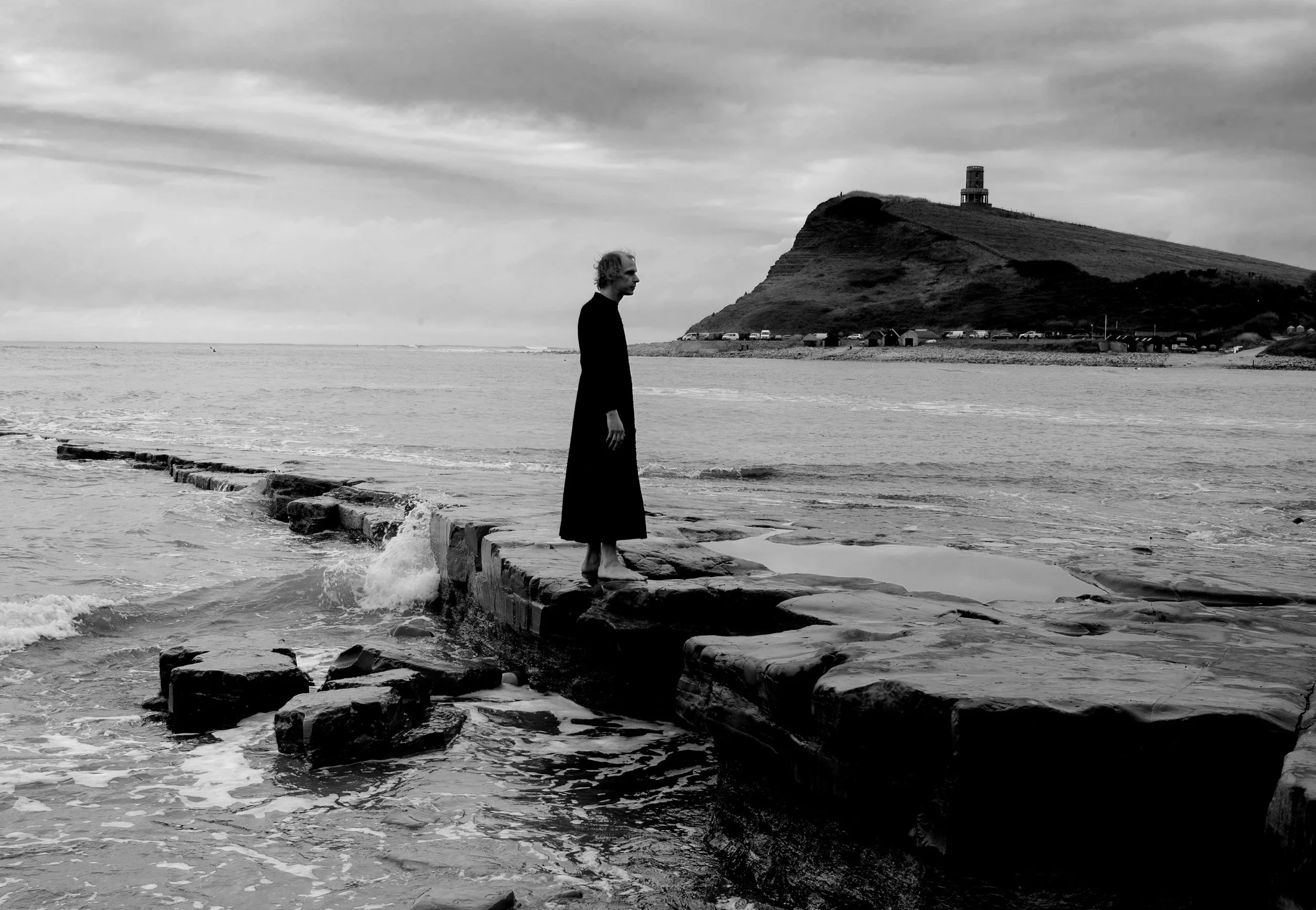
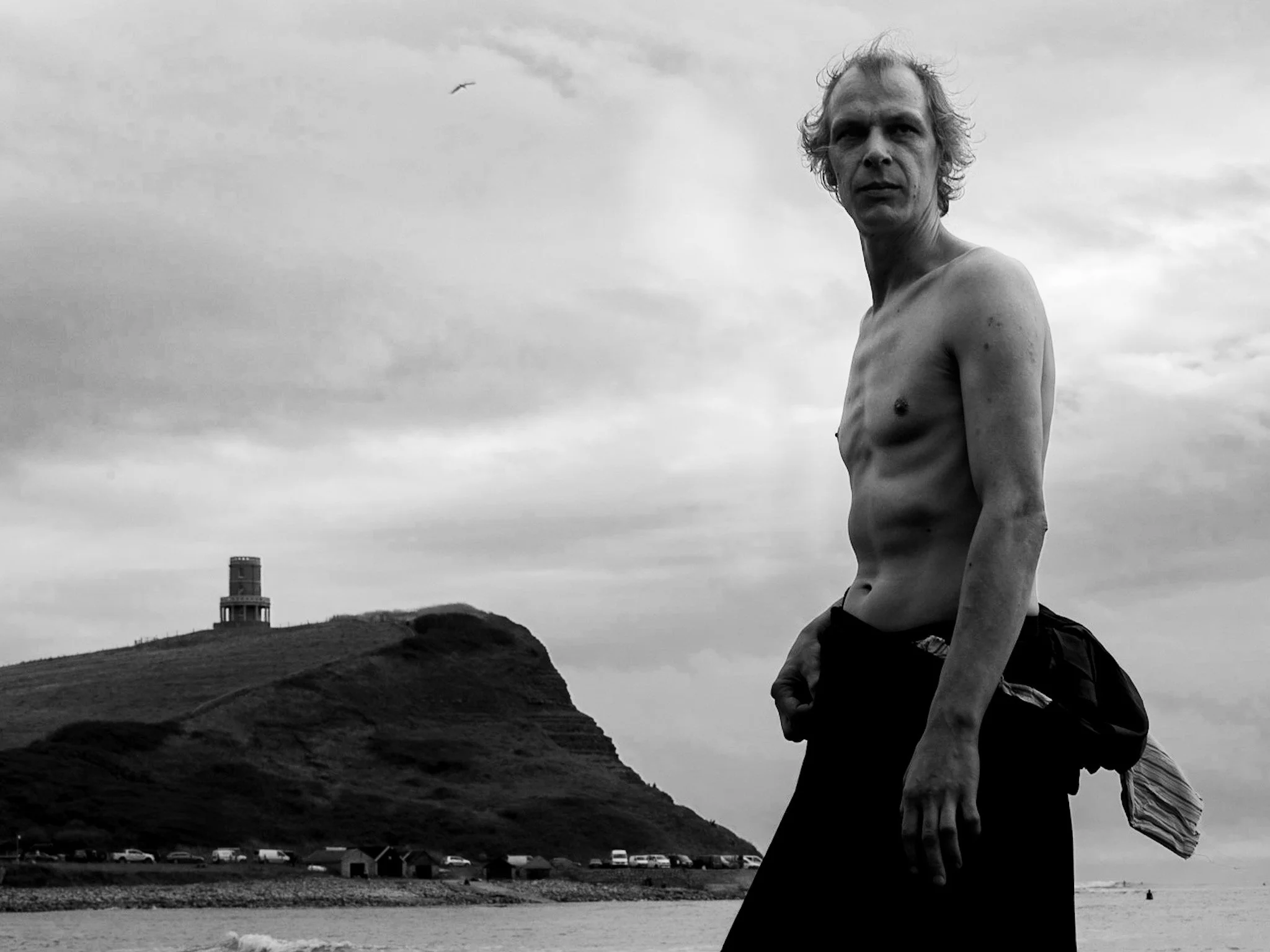
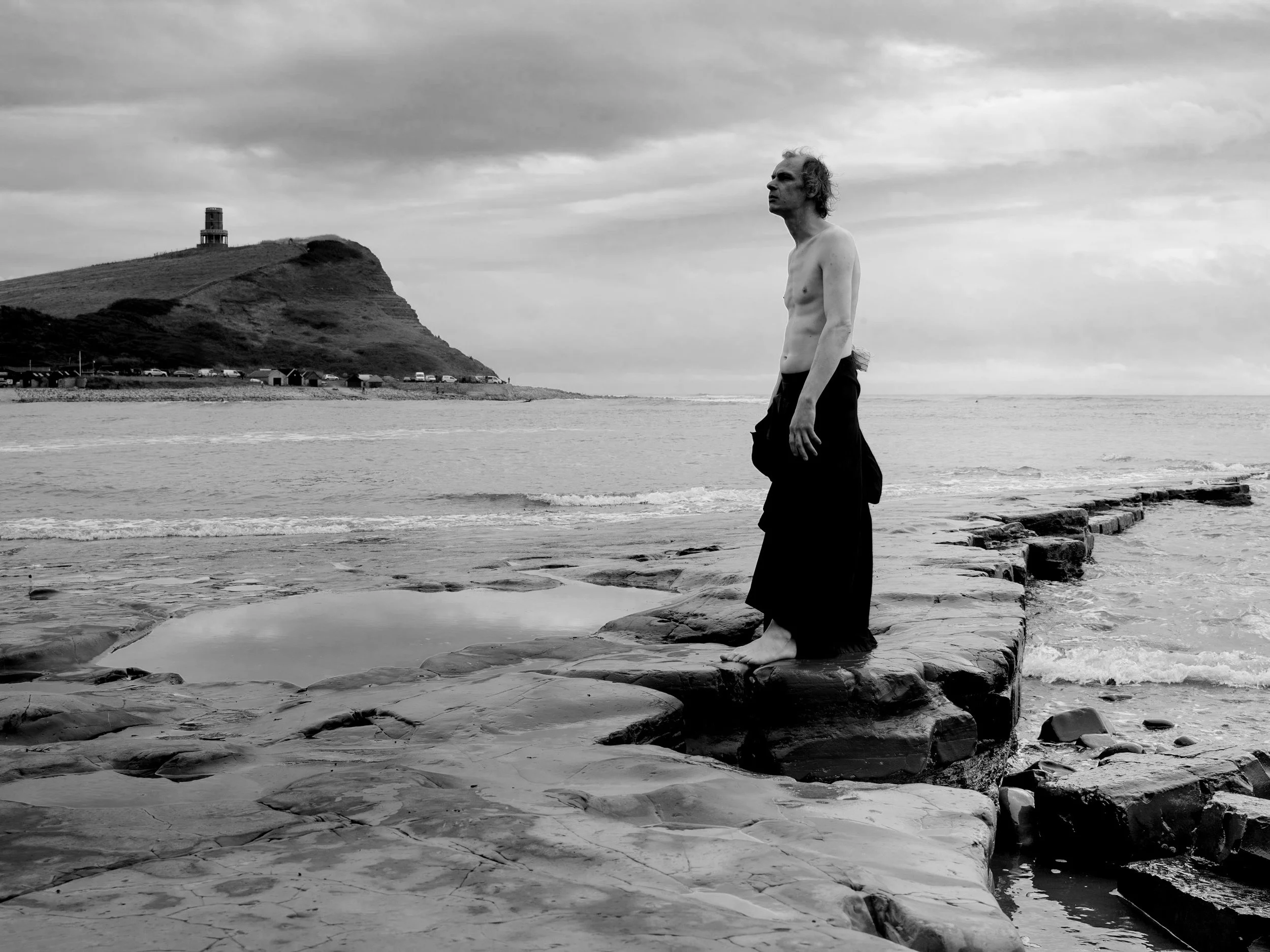
They came to the edge not to perform, not to conquer, not to be seen.
They came to stand.
The land is ancient and indifferent.
The sea does not ask who they are.
Rock holds its memory. Water erases it.
They wear black as a refusal — not of beauty, but of decoration.
Black as absorption.
Black as humility.
Black as mourning for things that cannot be named.
At times they are clothed, at times stripped bare — not for exposure, but for truth.
Skin against wind.
Breath against salt.
The body reduced to weight and balance.
They do not touch each other, yet they are not alone.
Distance here is a form of intimacy.
Presence is shared without needing contact.
The tide advances. It always does.
Sometimes it reaches the ankles.
Sometimes it threatens the knees.
Sometimes it withdraws, pretending mercy.
None of this is dramatic to the sea.
These are not portraits of people.
They are measurements,
of scale against nature, of stillness against motion, of time against flesh.
The figures do not look back at us.
They look past — toward something older than language, toward a place before roles, before identity, before story.
And in that standing — silent, temporary, deliberate — they remind us:
We are not meant to dominate the edge.
We are meant to witness it.
To stand between rock and tide is to accept impermanence without asking for consolation.
This is the ritual.
This is the act.
That is the story.